Sourcing party supplies from China can feel like a gamble. You see perfect photos, but what arrives can be a disaster, hurting your brand. Let's change that.
To properly vet China suppliers, you must go beyond their photos. Insist on getting production line samples1, not just perfect handmade ones. Check these samples for print clarity2, color consistency3 across different batches, and foil durability4 by rubbing and soaking them.
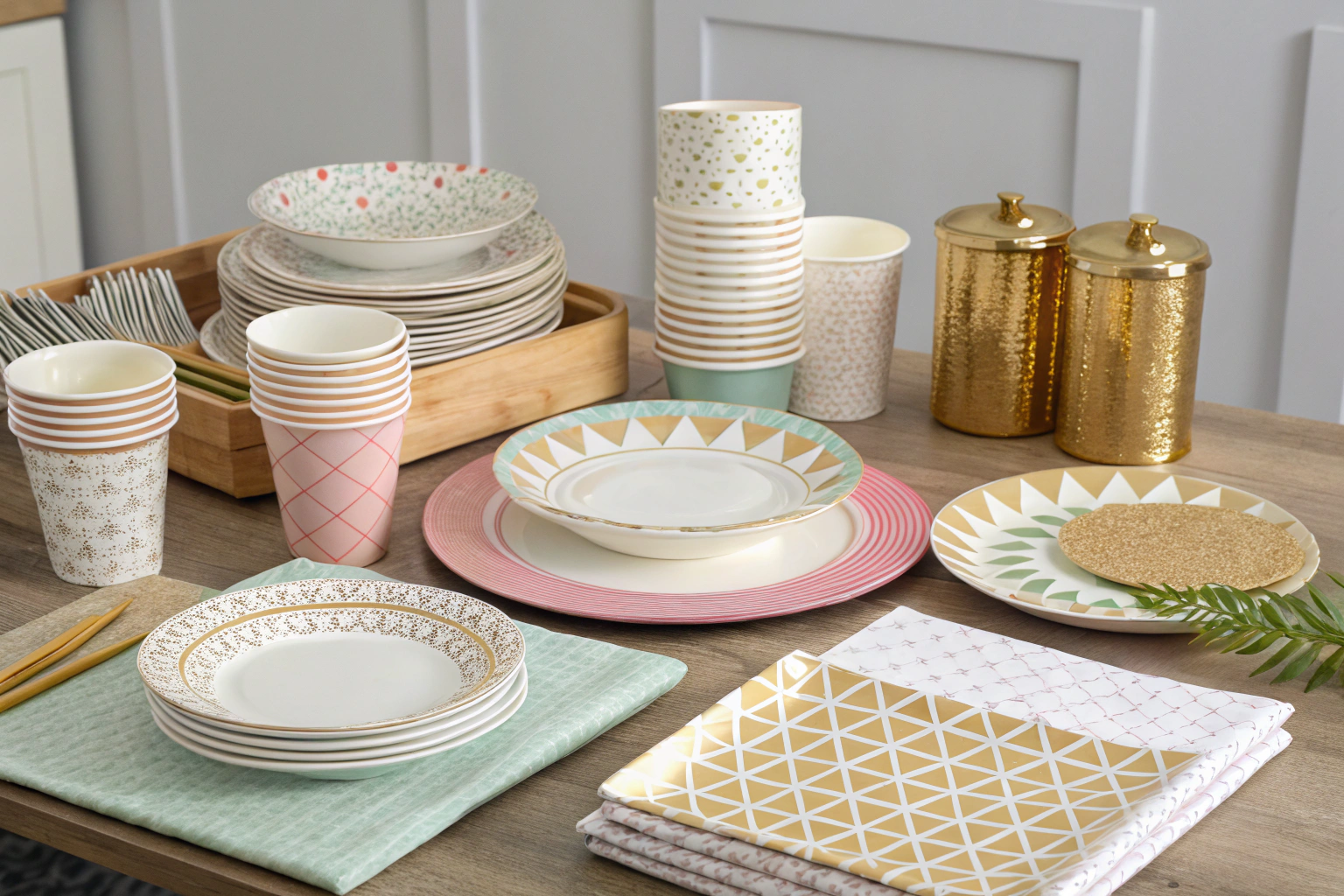
After years of sourcing party tableware for my business, I've learned some hard lessons. The vetting process5 isn't just a checklist. It's about trusting your eyes, asking the right questions, and knowing the common pitfalls. I've seen it all, from blurry prints to foil that flakes off with a single touch. These experiences taught me exactly what to look for and what red flags6 to run from. I'm going to walk you through my entire process, so you don't have to make the same expensive mistakes I did. Let's get started.
How to Vet China Suppliers for Party Tableware Sets: A Complete Guide to Print Quality, Color Consistency & Foil Defects?
Worried about receiving defective party tableware? You're stuck with bad inventory and angry customers. You need a complete guide to spot these issues before you buy.
The best approach is a systematic one. Demand samples that come directly from the actual production line. Use a physical color swatch to check for consistency, and perform simple rub and soak tests7 on any foiled items.
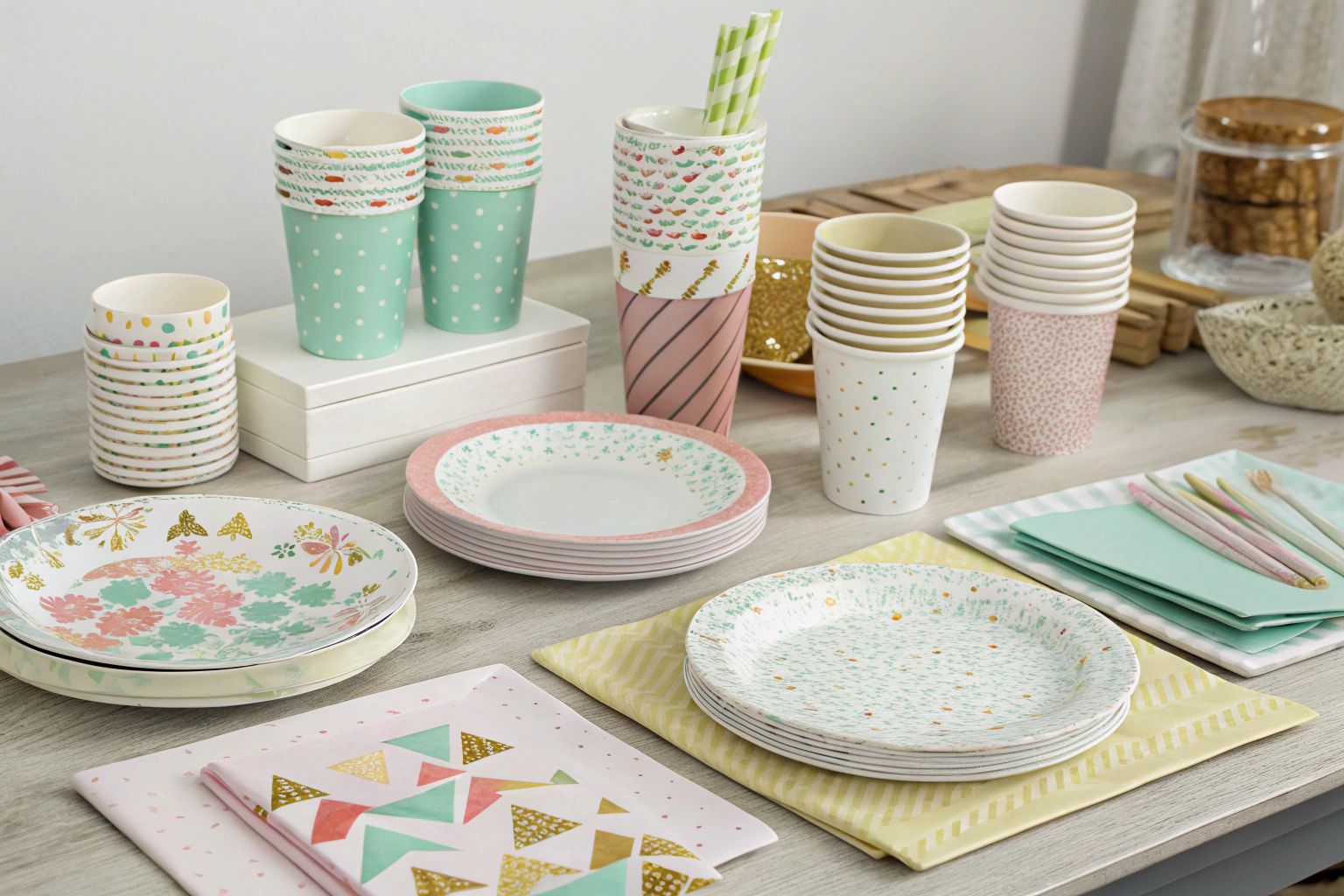
A good vetting process5 covers three main areas: print quality, color consistency3, and foil performance. I learned to never assume one supplier is good at all three. You have to check each area specifically. For me, it starts with getting the right kind of samples. I always ask for at least five full sets, and I make it clear I want them pulled from different production runs8. This is non-negotiable. Then, I create a simple checklist to test them against. This isn't complicated. It's about looking closely and doing simple physical tests. This guide is built on that simple, effective checklist. It helps you catch problems early. A supplier who is confident in their quality will have no problem with this level of detail. A supplier who pushes back is telling you everything you need to know about their quality control9, or lack thereof.
My Vetting Checklist
| Area of Focus | Key Action | What to Look For |
|---|---|---|
| Print Quality | Examine under natural light. | Pixelation, ink bleeding, blurry lines, misaligned colors. |
| Color Consistency | Place samples from different batches side-by-side. | Any noticeable difference in shade, hue, or brightness. |
| Foil Defects | Rub gently with a finger; soak in water for 5 mins. | Flaking, peeling, or disintegrating foil. It must stay intact. |
Vetting China Suppliers for Party Tableware: Key Checks for Print Quality, Color Consistency and Foil Issues?
Supplier photos look amazing, but the bulk order is a mess. Now customer complaints10 are rolling in, and your reputation is on the line. Learn the key checks now.
You must perform key physical checks yourself. Examine print samples under bright, natural light for pixelation. Compare different production samples side-by-side to spot color drift11. And always physically rub and soak foiled products to test their durability.
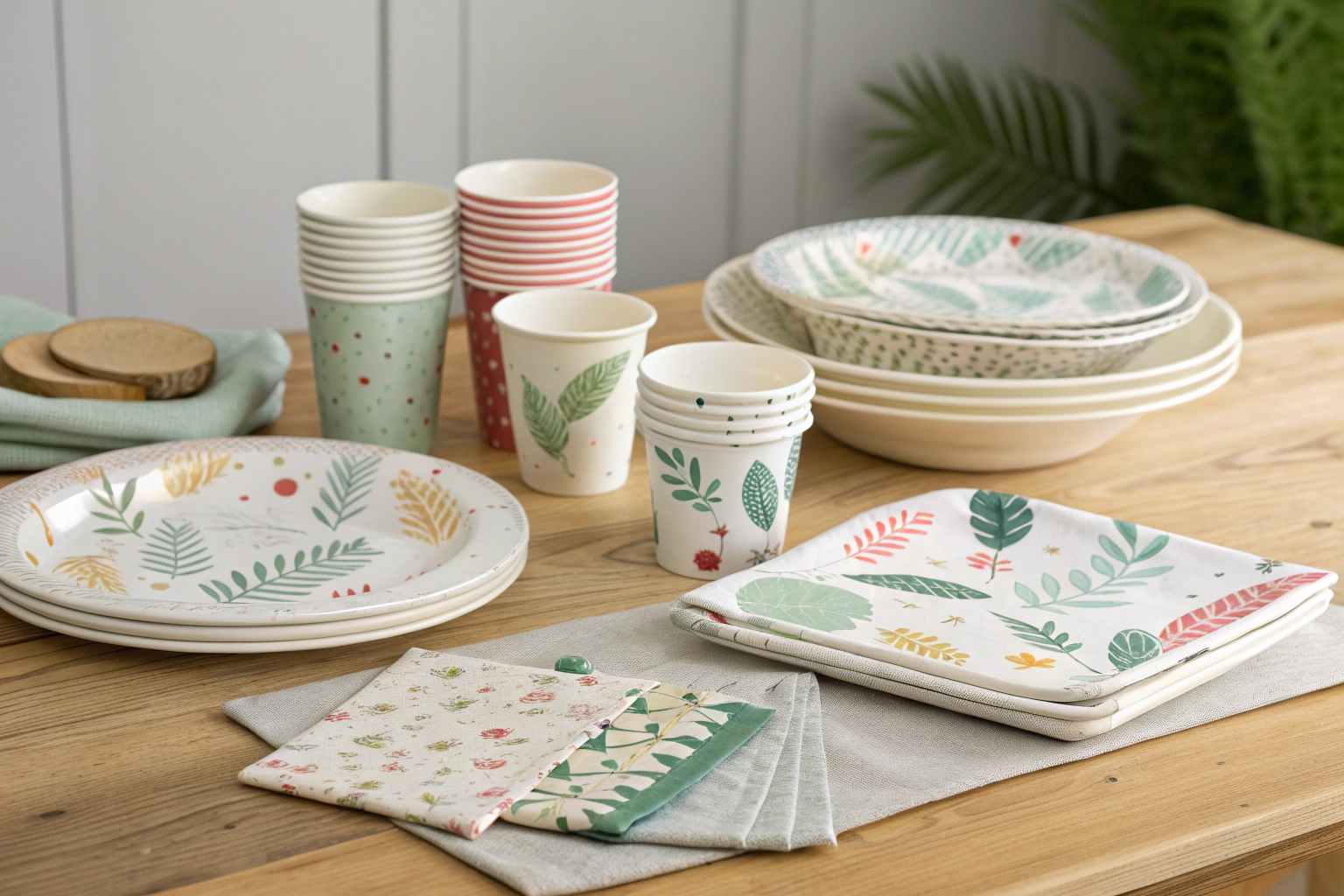
Let's dive deep into print quality. This is often the first thing your customer notices. I once ordered 500 plates with a beautiful floral design. The sample was perfect. The bulk order? A mess. The colors were all over the place, and the lines looked fuzzy. I learned my lesson. Now, I never trust a single, perfect sample. It was probably handmade. I insist on production line samples1 and I check them under natural light, not just under office lights. I look for tiny dots, which means the image is low-resolution and will look pixelated. I check for ink bleeding, where colors run into each other. I also ask for a short video of the production line packaging the exact product I'm ordering. If a supplier hesitates or says they can't provide these things, it's a huge red flag. A good supplier is proud of their production and has nothing to hide.
Print Quality: Red Flags vs. Green Flags
| Red Flags (Avoid) | Green Flags (Proceed) |
|---|---|
| Supplier only sends one "perfect" sample. | Supplier sends multiple samples from different batches. |
| Images look blurry or pixelated up close. | Prints are crisp and clear, even under magnification. |
| Colors bleed into each other. | Color edges are sharp with no bleeding. |
| Supplier avoids sending production videos12. | Supplier is happy to show their production process. |
Ultimate Tips to Vet China Suppliers for Party Tableware Sets – Focus on Print Quality, Color Consistency & Foil?
You ordered beautiful pale pink cups. But the shipment contains three different shades of pink, ruining your curated party sets. You need a way to guarantee color consistency3.
The best tip is to get more than five samples from different production runs8. Put them all side-by-side in good light. Any obvious color difference is a fail. Also, push the supplier on their quality control9 process.
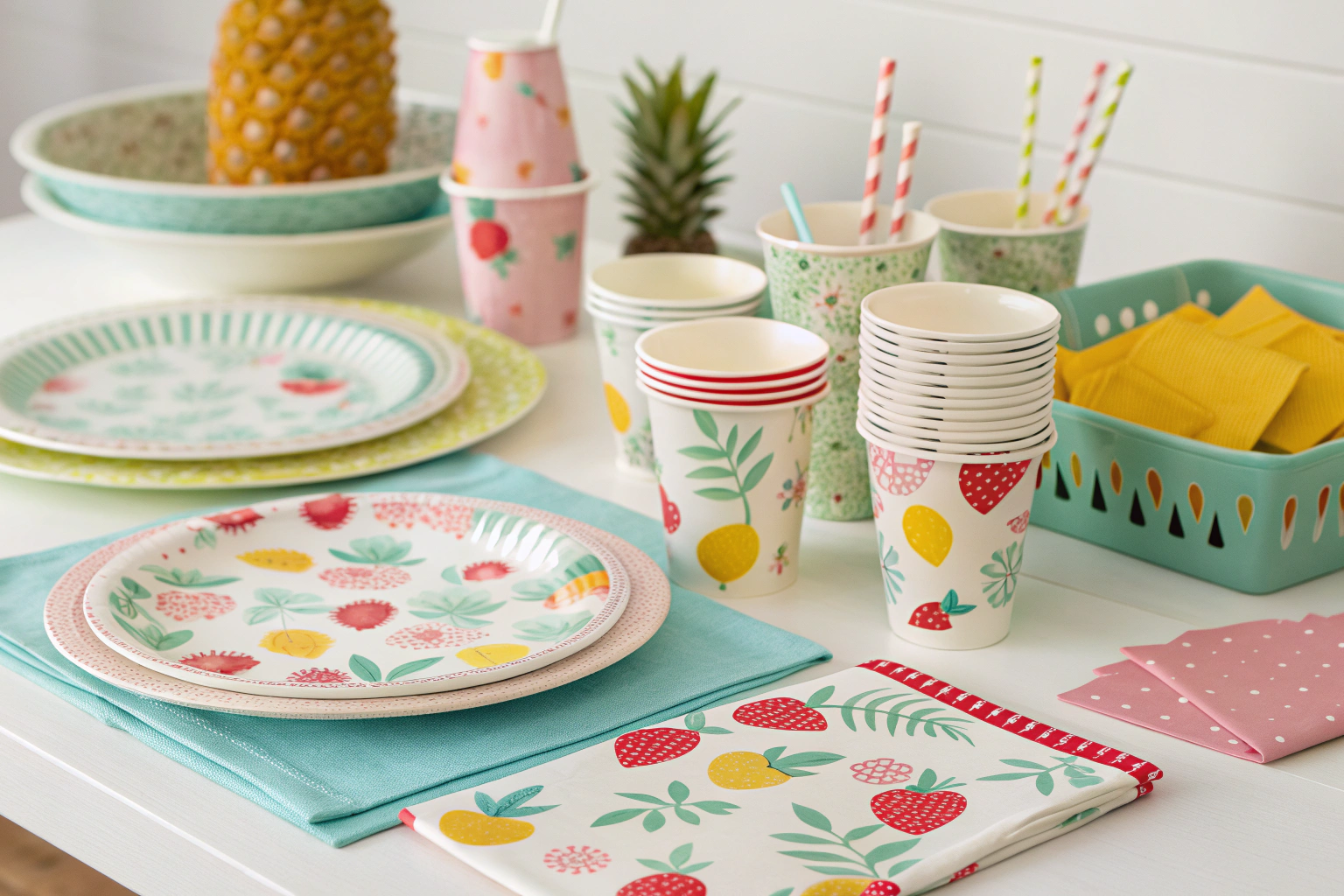
Color consistency is one of the trickiest things to get right. I learned this the hard way with an order of cups. The first half of the order was a perfect pale pink. The second half shifted to a deeper pink, almost a gradient. It made my whole product look cheap and inconsistent. Now, my rule is simple: I get samples from different batches and I look at them together. Your eyes can easily spot when something is off. Don't let a supplier tell you it's a "minor variation." For a customer, it's a defect. I also press them on their internal processes. I ask direct questions like, "Do you have quality inspectors13 checking color on the line?" and "How often do you check, every 50 units or every 500 units?" A cheap supplier won't have a good answer. A quality supplier, like my current partner FestaJoy, will explain their process, maybe even mentioning they use a spectrophotometer14 for color matching. They prove their quality, they don't just claim it.
Questions to Ask Suppliers About Color QC
- What is your process for ensuring color consistency3 between different production batches?
- Do you use a Pantone Matching System15 (PMS) or a color spectrophotometer14?
- What is your accepted color tolerance level (Delta E)?
- How frequently do your QC inspectors pull items from the line to check for color consistency3?
- What happens if a color deviation is found during production?
How to Successfully Vet China Suppliers for Party Tableware: Ensure Print Quality, Color Consistency & Avoid Foil Issues?
That beautiful gold foil on your party napkins is flaking off on customers' hands and food. Now you're dealing with returns and bad reviews. You must test for this.
To avoid foil issues, perform two simple tests on your samples. First, rub the foil gently with your thumb; it should not flake or peel. Second, soak a sample in water for five minutes; it must remain fully intact.
Foil issues are a nightmare because they often look great at first glance. I once had a batch of gorgeous gold foil napkins. I was so excited. Then the complaints started. The foil was flaking off with the slightest touch. It was embarrassing and looked incredibly low-quality. From that day on, I started testing every foiled sample myself. It's easy. I do a "rub test" where I rub the foil with my finger for 10 seconds. If any glitter or flakes come off, it's an instant fail. Then, I do a "soak test." I drop a napkin or plate in a bowl of water for five minutes. Good quality foil, which is properly applied with heat and pressure, will stay perfectly intact. Bad quality foil will start to peel or disintegrate. I also ask the supplier about their process. A good supplier will explain the foil's thickness and their heat-pressing technique. A bad supplier will just say "it's good quality" with no details.
Foil Durability Test
| Test | How to Perform | Pass Result | Fail Result |
|---|---|---|---|
| Rub Test | Gently but firmly rub the foiled area with your thumb for 10 seconds. | No flakes, glitter, or residue comes off on your finger. The foil remains smooth. | Flakes, glitter, or residue is visible on your finger. The foil looks scratched. |
| Soak Test | Submerge the product in room-temperature water for 5 minutes. | The foil remains completely attached and does not peel, bubble, or wrinkle. | The foil begins to peel away from the paper, bubble up, or dissolve. |
Vetting China Suppliers for Party Tableware Sets: Critical Criteria for Print Quality, Color Consistency & Foil Performance?
You feel pushy asking suppliers for so many details and samples. You worry they'll think you're a difficult client, so you back down. But this leads to poor quality.
Don't be afraid to be "difficult." Asking detailed questions is a critical vetting tool. A good supplier expects it and welcomes it. A bad supplier will get defensive, which is your signal to walk away.
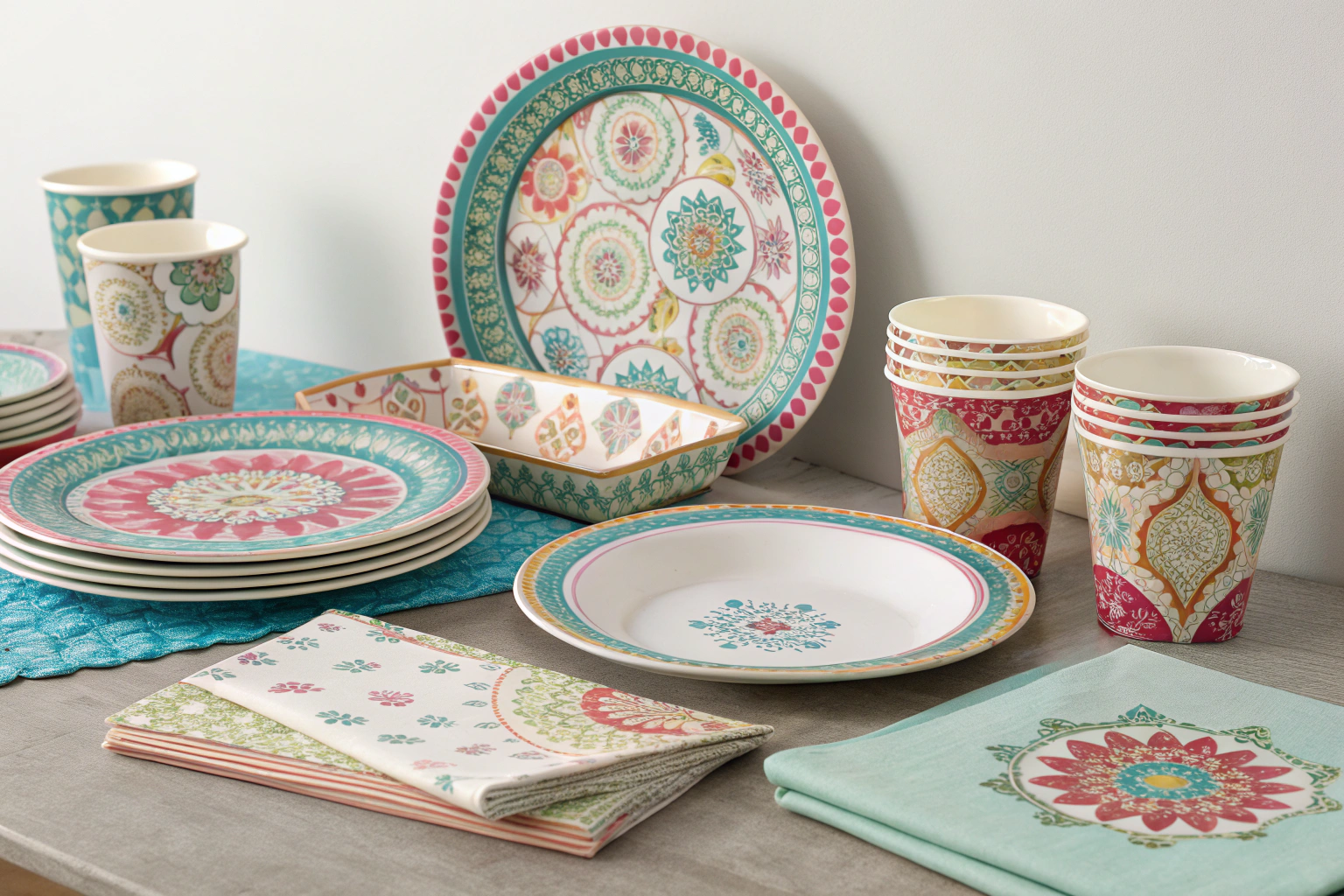
One of the biggest lessons I've learned is that how a supplier responds to your questions is as important as the answers themselves. Your questions about print quality, color, and foil are not just for getting information. They are a test of the supplier's attitude and professionalism. The best suppliers I work with, like FestaJoy, appreciate detailed questions. They see it as a sign that you are a serious buyer who cares about quality, just like they do. They are ready to prove their capabilities. In contrast, low-quality suppliers get annoyed. They'll give you vague answers, hesitate to send production samples, or try to rush you into placing a big order. These are massive red flags6. Your goal is to find a partner, not just a supplier. A true partner understands that the quality of their product directly impacts your business. They will be transparent and work with you from the very beginning to prove they are the right choice.
Supplier Communication: Red Flags vs. Green Flags
| Red Flags (Run Away) | Green Flags (Good Partner) |
|---|---|
| They hesitate or charge high fees for production samples. | They willingly provide samples, understanding it's part of the process. |
| They give vague answers like "good quality" to technical questions. | They provide specific details about their materials and QC process. |
| They get defensive or annoyed when you ask for details. | They are patient and see your questions as building a strong partnership. |
| They pressure you to place a large order quickly. | They focus on ensuring the samples meet your standards first. |
Conclusion
Vetting suppliers is about hands-on testing and asking sharp questions. Quality partners welcome this, as it builds trust and ensures your brand is protected from the start.
Understanding production line samples is crucial for ensuring product quality before bulk orders. ↩
Learn effective methods to assess print clarity, ensuring your products meet quality standards. ↩
Explore the importance of color consistency to maintain brand integrity and customer satisfaction. ↩
Discover reliable tests for foil durability to avoid customer complaints and returns. ↩
A solid vetting process can save you from costly mistakes and ensure quality products. ↩
Identifying red flags can help you avoid unreliable suppliers and protect your business. ↩
Learn about rub and soak tests to effectively evaluate product durability and quality. ↩
Multiple production runs provide a better understanding of consistency and quality. ↩
Understanding quality control processes can help you ensure consistent product quality. ↩
Learn effective strategies to address customer complaints and maintain brand reputation. ↩
Understanding color drift can help you identify potential issues before they affect your products. ↩
Production videos provide transparency and assurance of the supplier's capabilities. ↩
Quality inspectors play a vital role in maintaining product standards and consistency. ↩
Understanding spectrophotometers can enhance your ability to ensure color consistency. ↩
The Pantone Matching System is essential for ensuring color accuracy in manufacturing. ↩