Are you tired of beautiful samples turning into mass-produced disasters? You need a supplier who can deliver consistent, high-quality printing every single time, protecting your brand's reputation and profits.
To choose the right supplier, you must verify their printing process. Ask for samples from three different production batches of the same item. Also, confirm their Pantone matching procedure and ask about their experience with tricky material and finish combinations, like hot stamping on coated paper.
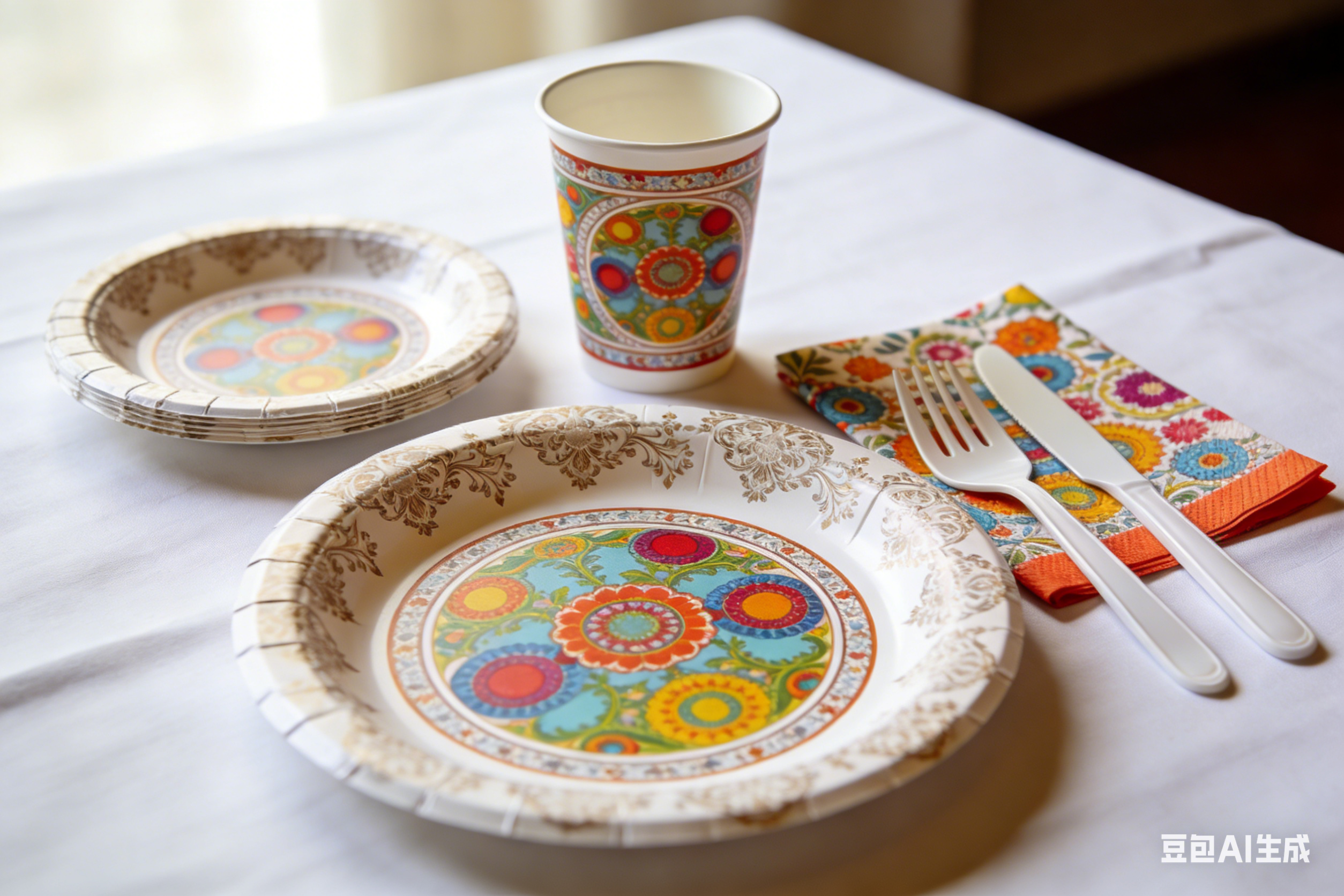
The value of a party tableware set is all in the visuals. The colors, the metallic trim, the themed patterns—these are what catch a customer's eye and make them feel like they're getting something special. But I've seen it happen too many times: a supplier shows a stunning sample, but the bulk order arrives with shifted colors, blurry text, or foil stamping that flakes right off the plate. It's a frustrating and costly problem. That’s why I developed a simple but effective vetting process to weed out the suppliers who can't maintain quality at scale. It all starts by asking for proof, not just promises.
How Can You Control Printing Quality for Disposable Tableware Sets?
You approved a perfect pre-production sample. But now you're worried the color in the first shipment won't match the third. This inconsistency can destroy the look of a coordinated retail display.
To control printing quality, you need a strict process. Insist on Pantone color matching for brand consistency. Ask for production color cards or photos from different batches to check for stability. And always sign off on a final pre-production sample before the full run begins.


I learned early on that a supplier's ability to control color is a direct reflection of their overall quality control. It's not just about getting the color right once; it's about getting it right every single time, across thousands of units and multiple production runs. This is especially true for seasonal programs where products from different factories or batches might end up on the same shelf. If the "Christmas Red" on your plates doesn't match the "Christmas Red" on your napkins, the whole display looks cheap and unprofessional. To avoid this, I focus on three key areas: Pantone matching, batch consistency, and a rigid approval process. This simple system has saved me from countless headaches and ensures the products my customers receive are exactly what they were promised.
The Pantone Matching System is Your Best Friend
The Pantone Matching System (PMS) is a standardized color language. It allows you to specify a precise color, and your supplier can use that code to mix the ink correctly. Don't just say "light blue." Say "Pantone 291 C." This removes all ambiguity. A professional supplier will have no problem working with Pantone codes. In fact, they should prefer it. I always provide the exact Pantone codes for every color in my designs. This becomes the non-negotiable standard for the entire project.
Why You Must Ask for Batch Samples
A supplier might be able to produce one perfect sample. But can they maintain that quality over time? Paper, ink, and even humidity can vary slightly between production runs, causing color shifts. That's why I always ask a potential new supplier for photos or physical samples of the same product from three different production batches. If the color is consistent across all three, it tells me their process is stable and well-managed. If they hesitate or can't provide them, it's a major red flag. They might not have the experience or the quality control systems in place to handle large, repeat orders.
From Sample to Bulk: The Confirmation Process
My approval process is straightforward but strict. It ensures there are no surprises when the container arrives. I use a simple checklist to keep everything on track.
| QC Checkpoint | What to Look For | My Standard |
|---|---|---|
| Pantone Code Match | Color accuracy against the specified Pantone code. | I use a physical Pantone swatch book for comparison. |
| Batch Consistency | Color variation between different production runs. | I request photos/samples from 3 different batches. |
| Pre-Production Sample | Final physical check before mass production. | Must be 100% approved by me before proceeding. |
| First Article Inspection | Check the first items off the production line. | I ask for photos to compare against the approved sample. |
This process creates clear checkpoints and holds the supplier accountable for the final quality.
What Makes a Tableware Set Look Premium? It's All in the Printing Details.
You want your party decor to stand out and justify a higher price. But poorly executed finishes like flaky foil or misaligned glossy effects can make your product look cheap, hurting your sales.
A premium look comes from stable, vibrant colors and flawless special finishes like hot foil stamping and spot UV. To achieve this, you must partner with a supplier who understands how these finishes interact with different paper materials and can prove their expertise.
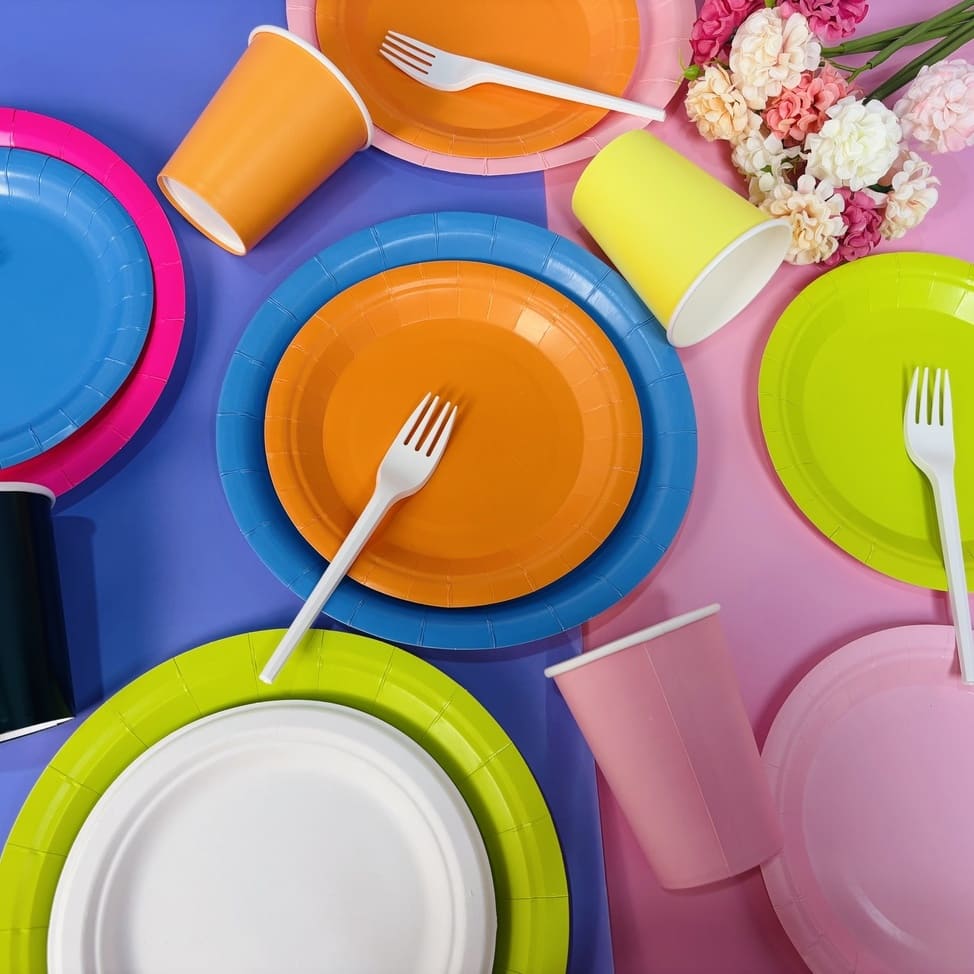
The difference between a standard product and a premium one often comes down to the small, tactile details. A touch of metallic shine from hot stamping or the subtle gloss of a spot UV finish can elevate a simple paper plate into something special. These techniques add perceived value, allowing you to command a better retail price. However, they are also where inexperienced suppliers often fail. I've received samples where the foil was peeling at the edges or the UV coating was misaligned with the artwork underneath. That's why I don't just ask suppliers if they can do these finishes; I ask them to show me their work and explain which material combinations are the most difficult. Their answer tells me everything I need to know about their technical skill.
The Power of Special Finishes
Let's break down the most common techniques that add a "wow" factor. Hot Stamping, often just called foil stamping, uses heat and pressure to apply a thin layer of metallic or colored foil to the paper. It's perfect for creating shiny, eye-catching text or borders. Spot UV is a process where a high-gloss, clear coating is applied to specific areas of the design. This creates a contrast in texture between the matte paper and the glossy elements, making certain parts of the design pop. It adds a subtle, sophisticated touch. Both of these require precision and a deep understanding of how the materials work together.
Common Failure Points and How to Avoid Them
The biggest problem I see is "foil flaking." This is when the hot-stamped foil doesn't adhere properly and flakes or rubs off. It usually happens when a supplier uses the wrong type of foil or incorrect settings for a specific paper stock, especially coated or laminated papers. For Spot UV, the main issue is misalignment. If the glossy layer isn't perfectly aligned with the printed design underneath, the whole effect is ruined. This is a sign of a low-quality printing press or an inexperienced operator. To avoid these issues, you have to be proactive and ask the right questions before you place an order.
Questions to Ask Your Supplier
Here are the questions I ask to gauge a supplier's expertise with special finishes.
| Finishing Technique | What It Is | Common Problem | What I Ask The Supplier |
|---|---|---|---|
| Hot Stamping (Foil) | Applying metallic foil using heat and pressure. | Foil flakes off or has incomplete coverage. | "Show me examples on coated paper. What is your process to ensure strong adhesion?" |
| Spot UV | Applying a high-gloss coating to specific areas. | Misalignment with the printed design. | "What is your registration tolerance? Can I see a detailed proof showing the UV layer?" |
| Embossing/Debossing | Creating a raised or recessed design in the paper. | Cracking paper or weak impression. | "What is the maximum paper weight you recommend for a clean emboss?" |
Their answers will reveal their level of experience. A good partner will have clear answers and be able to show you successful past projects on similar materials.
Conclusion
Choosing the right supplier means asking tough questions about their printing process. Focus on color consistency, batch stability, and their proven experience with special finishes to ensure your product looks premium.